5 Reasons Why Pluto is Not Considered As Planet | SkillSnap
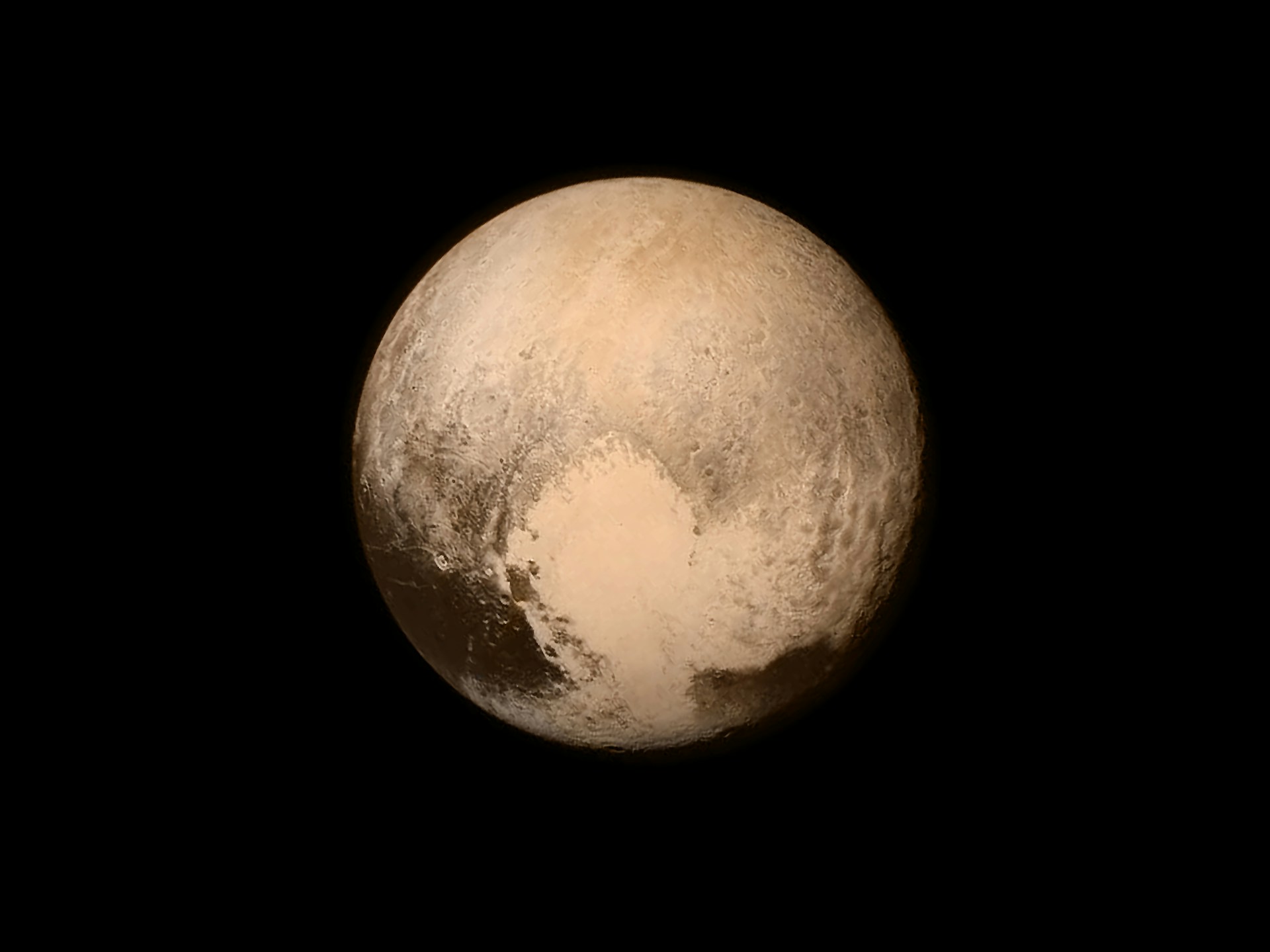
For most of us, growing up meant memorising the nine planets in the solar system. Then, in 2006, everything changed and the question of why Pluto is not considered a planet moved from scientific circles into everyday conversations practically overnight. It was not a random decision or some kind of cosmic slight against the icy little world sitting out beyond Neptune.
It came down to a very specific three-part definition that Pluto simply could not satisfy. And once you actually look at the reasoning, it holds up pretty well. This place breaks it all down in plain terms from what the solar system looked like before 2006, what specifically changed, and why all of this still matters for how we understand space.
Why Pluto Is Not Considered A Planet?
For decades, Pluto was simply accepted as the ninth planet in the solar system. There wasn’t a formal scientific definition of what a “planet” actually was; it was more of a working assumption. Pluto orbited the Sun; it was roughly spherical, and that felt like enough. But as telescopes improved and astronomers started exploring the outer solar system more carefully, things got complicated fast, making “Why Pluto is not considered a planet?” hard to answer.
What Made It A Planet In The First Place?
Pluto was discovered in 1930 by astronomer Clyde Tombaugh at the Lowell Observatory in Arizona. At the time, scientists were actively searching for a ninth planet to explain irregularities they were observing in the orbits of Uranus and Neptune. When Tombaugh spotted Pluto, the news caused a genuine sensation. Schoolchildren across the world sent in name suggestions, and it was an 11-year-old girl from Oxford, Venetia Burney, who proposed “Pluto” after the Roman god of the underworld.
The 2006 IAU Decision That Changed Everything
In 2006, the International Astronomical Union voted on the first formal definition of a Planet, and Pluto didn't make the cut. Here's what the definition requires:
Must orbit the Sun
Must have enough mass for gravity to pull it into a roughly spherical shape
Must have " cleared the neighbourhood " around its orbit, meaning gravitational dominance in its orbital zone.
Pluto satisfies the first two but fails on the third. That is the answer to Why is Pluto not considered a planet?” Its orbit runs directly through the Kuiper Belt, a region packed with similar icy bodies. Because it has never dominated or swept its orbital zone clean, the IAU officially reclassified it as a "dwarf planet." The vote was controversial, but the ruling has stood for nearly two decades.
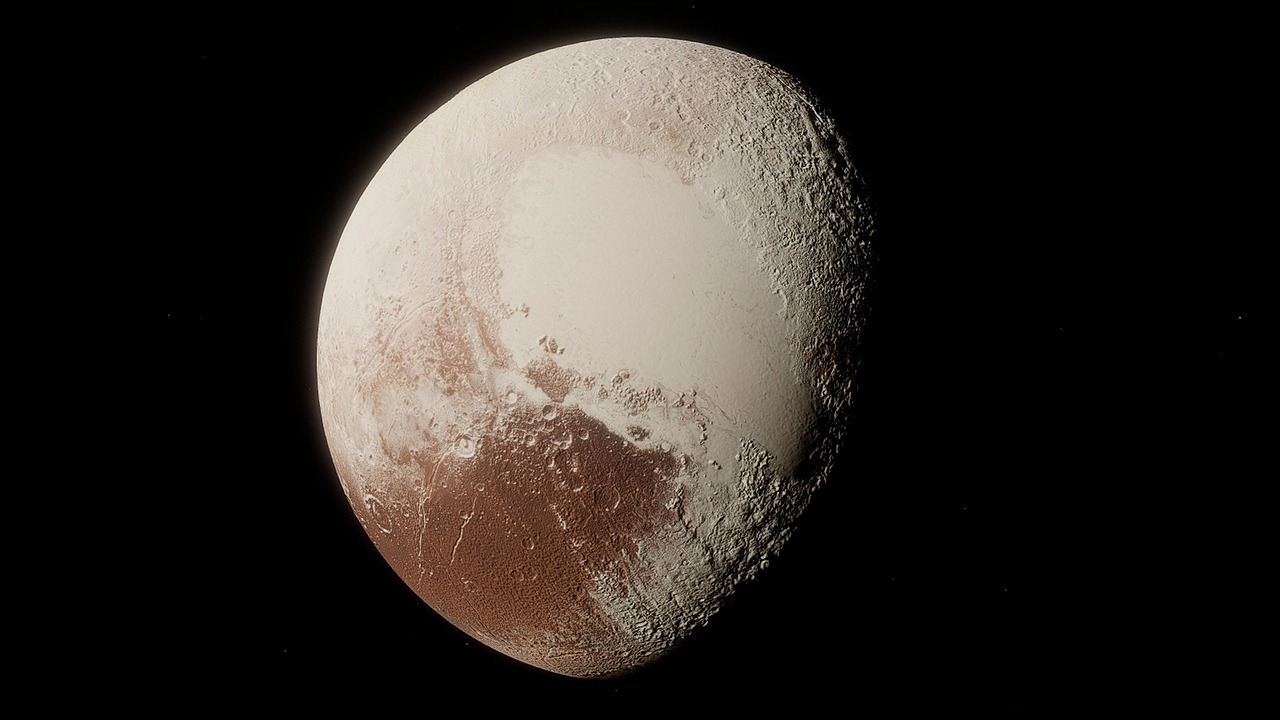
5 Reasons Why Pluto’s Orbit Disqualifies It
Pluto's orbit stands out from every recognised planet in the solar system. Here's what
makes it different:
It's highly elliptical at certain points. Pluto actually comes closer to the Sun than Neptune
It's tilted roughly 17 degrees off the main solar plane, unlike the near-flat orbits of the eight planets
It sits inside the Kuiper Belt, sharing its orbital zone with thousands of other icy bodies
Unlike Earth or Jupiter, Pluto has never gravitationally dominated or cleared its neighbourhood.
Size isn't the main issue; Mercury is small and still qualifies. The real problem is Pluto's orbit: it runs through a crowded region it has never been able to dominate, which is exactly what the IAU's definition asks for.
Pluto and the Kuiper Belt
The Kuiper Belt is a disc-shaped region of the outer solar system extending from roughly Neptune's orbit to about 50 astronomical units from the Sun. It's home to hundreds of thousands of icy bodies, ranging from small debris to objects approaching Pluto's own size. One of them, Eris, is actually slightly more massive than Pluto.
When Eris was discovered in 2005, it created a genuine dilemma. If Pluto were a planet, so were Eris and potentially dozens of other Kuiper Belt objects alongside it. The "dwarf planet" classification was partly a practical response to this growing problem. Today, Pluto is considered one of the largest known Kuiper Belt objects, alongside Eris, Makemake and Haumea, which have a different kind of status, but still a significant one.
Comets, Dwarfs, And What Else Is Out There
The outer solar system has a lot going on beyond the Kuiper Belt. Comets come from here, too: those tail-blazing things humans have been watching and making stories about for thousands of years. Short-period comets typically come from the Kuiper Belt, while long-period comets are thought to originate from the more distant Oort cloud.
Comets are icy bodies that orbit the Sun. Nobody ever seriously argued they were planets, though. The distinction is mainly one of size and behaviour; comets develop their tails when solar heat causes their ice to sublimate, while Kuiper Belt objects like Pluto remain frozen and stable at their vast distances. Reclassifying Pluto helped draw cleaner lines between planets, dwarf planets, comets, and other solar system bodies, and that kind of precision matters as our exploration deepens.
Conclusion
Understanding why Pluto is not considered a planet anymore is about understanding how science grows. Definitions get refined as knowledge expands. The solar system we know today is far more complex than the one Tombaugh first searched in 1930, and Pluto's reclassification built a more honest map of it.
Pluto hasn't changed; it's still completing its 248-year orbit, drifting through one of the most fascinating regions in the solar system. NASA's New Horizons mission in 2015 revealed towering mountains of water ice, sweeping nitrogen glaciers, and a surprisingly layered atmosphere. Planet or not, it's extraordinary.
Curious to learn more? At SkillSnap Learning, we offer the right guidance in our programs for Classes 6-10. Browse our blog for more such topics and access Free NCERT Solutions today.