The Role of Technology in Education in 2026 (Application & Use)
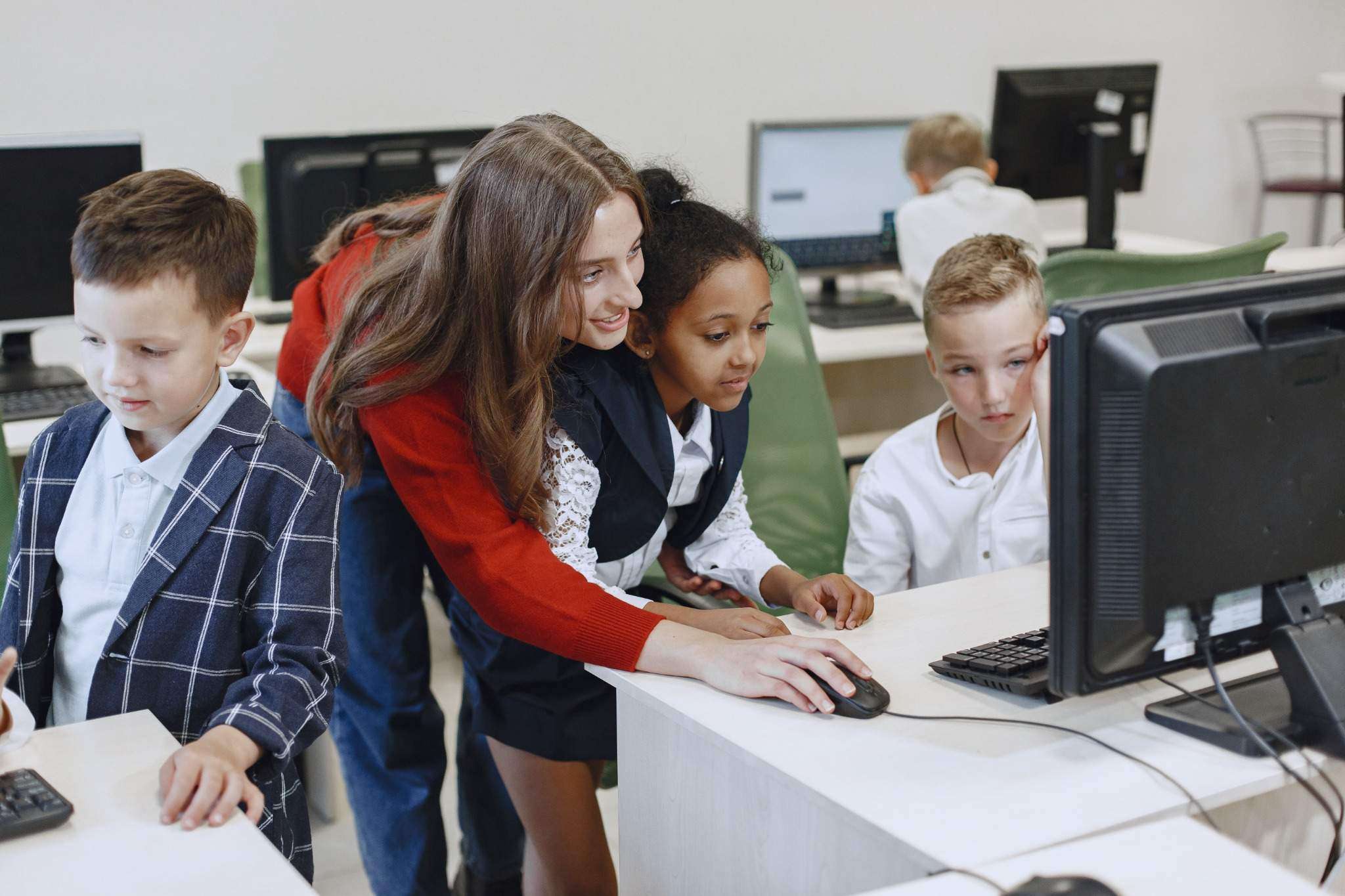
The role of technology in education has transformed the way students learn and access information. The introduction of technology has changed the entire structure of teaching and learning. Looking at the state of a classroom now, it is evident that a classroom is no longer limited to a blackboard and books. Digital learning has a strong presence in modern education. Technology is employed to facilitate learning in schools, colleges, and even professional courses in a more convenient, faster, and interactive manner.
Technology has been incorporated into education at an alarming rate in recent years. This is largely because students are increasingly enthusiastic about using smart and resourceful methods of learning, and teaching aids have made the explanation of difficult topics easier for teachers.
What is the Role of Technology in Education?
The role of technology in education has made online learning more accessible for students around the world. The impact of technology on education has been immense. It has made education easier, more effective, and richer, and it has resulted in more engaged students. EdTech has made education a borderless classroom. Learning is no longer restricted to the four walls of a classroom and can be conducted virtually, making it easier for students who have difficulties with regular classroom attendance. Virtual learning aids such as online learning, edTech apps, and recorded lectures have made continued education possible.
Digital platforms have made conducting online assessments and providing timely interventions to students possible for teachers. Technology has made education and learning a collaborative undertaking. Through the use of emails, video calls, and learning management systems, students are able to reach and connect with their teachers and peers.
Explain the Role of Technology in Education
Schools continue to invest in tools that strengthen the role of technology in education. Understanding technology’s role in education mainly focuses on teaching and learning. Both can benefit from technology. Teachers can creatively present lessons, while students can access clearer presentations of concepts. If science students do not have access to a laboratory, they can watch science experiments on the internet. History students can view historical sites by taking a virtual field trip. Solving math problems can be done by using a math app. To state it simply, technology has the ability to make education interactive.
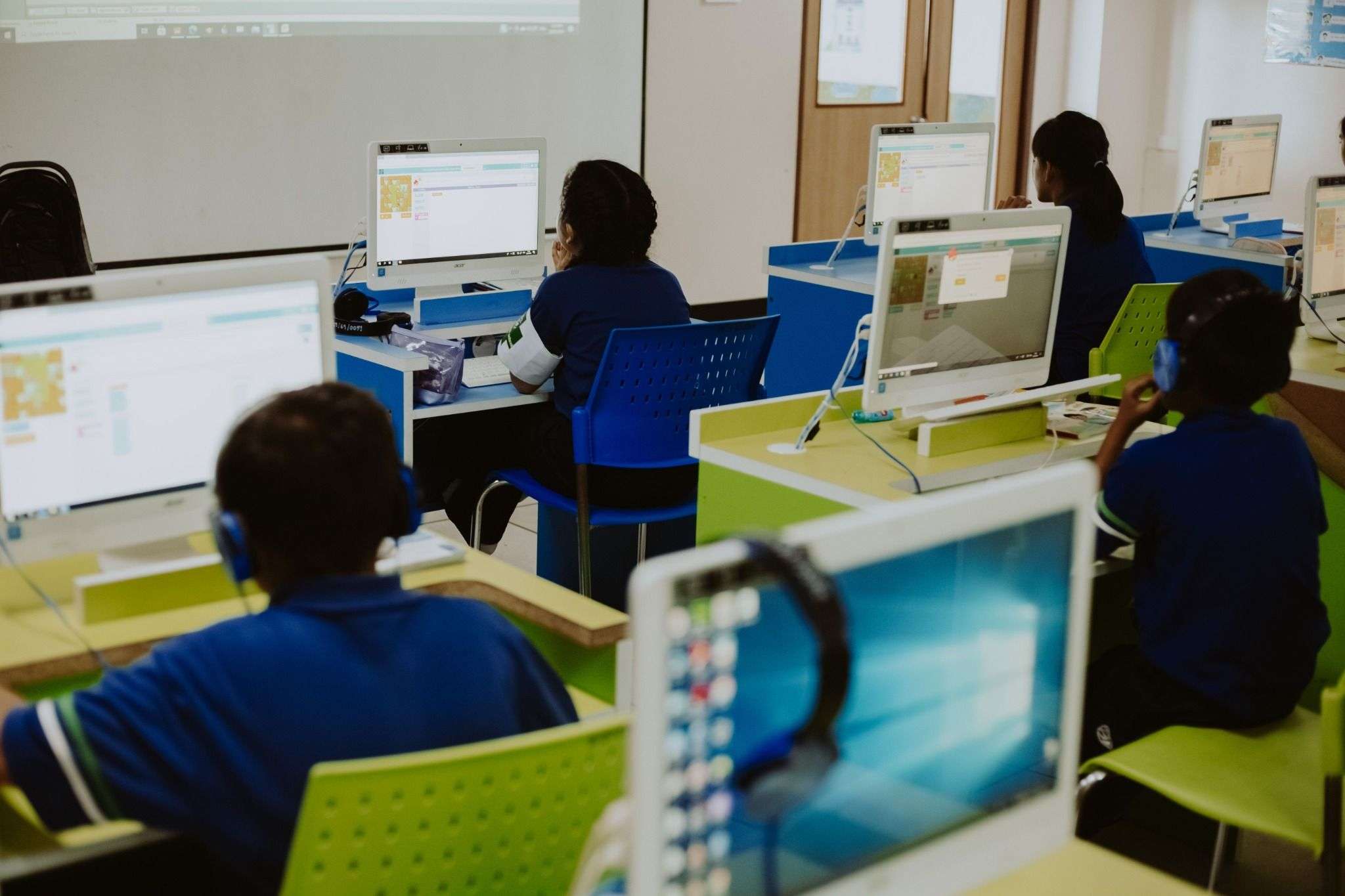
Technology fosters self-learning. Students today have the ability to seek out information on their own, watch instructional videos, and learn different skills outside of the school environment. This helps students develop self-confidence and solve problems independently. Students nowadays have access to countless educational resources and applications for learning to code, graphic design, foreign languages, and other skills. One of the main benefits of technology is that learning can be individualised. Students are not all the same. Technology can be used to present lessons at an individualised pace. Students can rewind and replay lessons. This benefits learners at both ends of the learning spectrum.
Applications of Technology in Education
The changing learning systems of schools and colleges show the many applications of technology in education. One such application is the use of online learning systems. Students can now attend live classes from home, submit their assignments, and access their study materials. The need for online education during the pandemic made this application very popular. The use of smart classrooms is another application of technology in education. Teachers are now able to use projectors, smart boards, and digital presentations to help them explain topics to their students using visual aids.
Education in the form of mobile apps has also gained popularity. These have resulted in the availability of apps that help students improve their skills in math, language, coding, and even assist them in preparing for and practising for various exams.
AI Technology and Smart Classrooms
The role of technology in education supports collaboration, creativity, and problem-solving skills among students. The use of artificial intelligence has also gained popularity in education. There are AI learning systems that can analyse a student’s performance in a given subject and provide recommendations on how that student can improve in that subject.
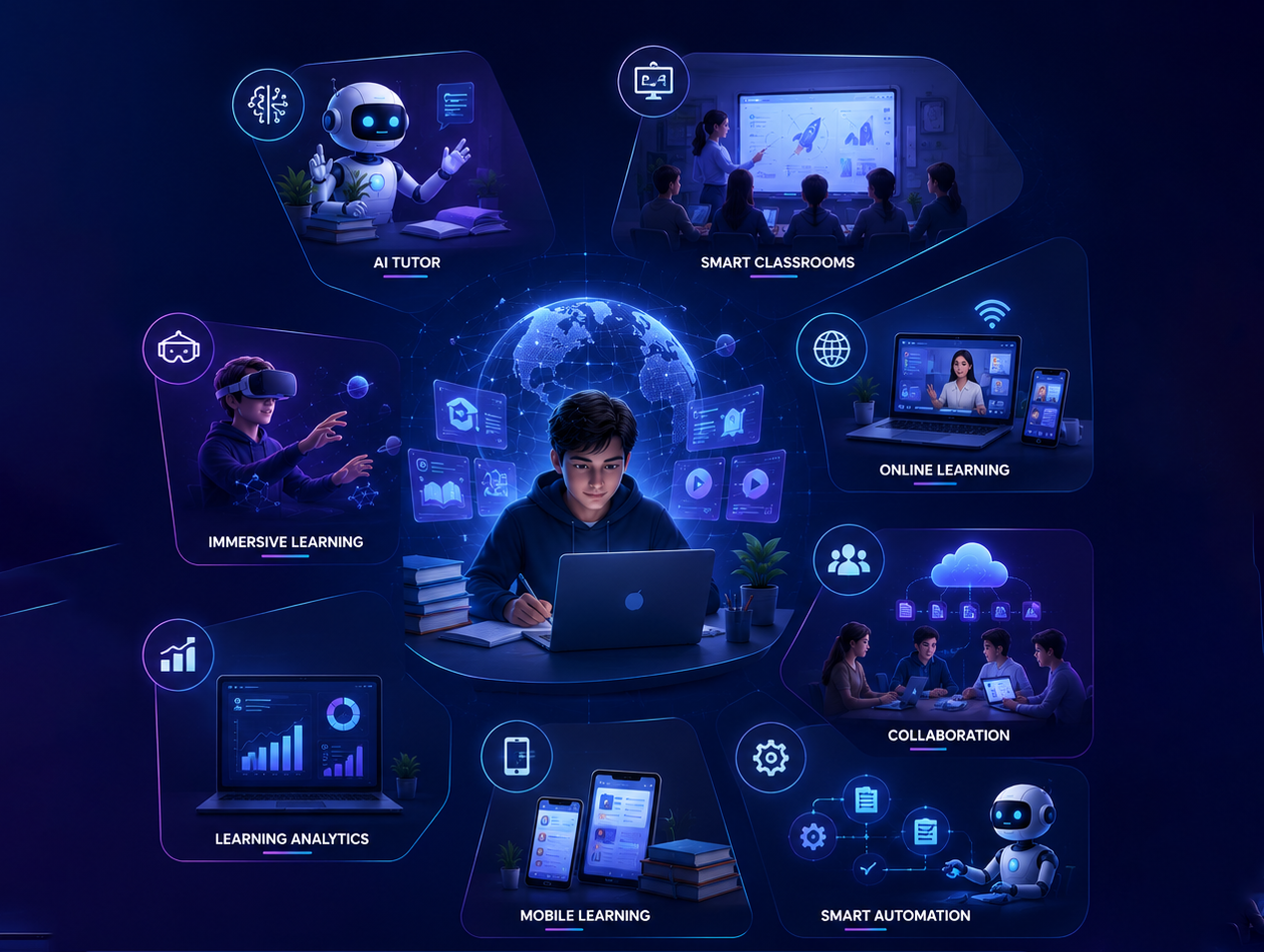
The use of virtual and augmented reality in classrooms has also made learning engaging and practical. The use of 3D models and virtual lab simulations is also a good aid in teaching students. The use of cloud technology is also a very good application of technology. Teachers and students are able to safely store their notes, projects, and assignments in an online storage system. They are able to access these from any device and at any time.
Better Communication Technology Facilitates
New digital technology improves the communication networks of schools, students and parents. New digital technology enables parents to access a portal to see their child's attendance and grades and receive notifications from the school. There is the additional benefit of being able to participate in learning activities that expose students to global learning. What was unavailable a few decades ago, global learning, is now available to students as workshops and seminars offered by different countries can now be conducted online. Travel is no longer necessary.
Technology Limitation
While the positive aspects of technology in education are monumental, so too are the negative aspects. Technology creates a divide between those who have access to a smartphone or a laptop and the means to connect to the internet. There is the added health concern about the effects of prolonged screen time. It is important to remember that students can suffer from a loss of focus if they become distracted from their studies by social media and other digital entertainment. Limiting screen time is one of several constructive activities parents and teachers must do to ensure the proper use of technology by students.
Data protection and the preservation of student privacy are serious concerns that educational institutions must address. Technology in education continues to improve almost every day.
Technology and Education
It is reasonable to predict that education will become more dependent on technology in future. The next advancement in the technology used in education will be fully functional learning systems and Artificial Intelligence-equipped virtual classrooms. Students could participate in fully interactive digital learning systems. Remote learning on a global scale will be easily and successfully implemented.
Most educational institutions are adopting newly advanced technologies in digital systems to aid in teaching. It is important to remember that technology will play a crucial role in education.
Conclusion
As innovation grows, the role of technology in education will become even more important in shaping future classrooms. Education and technology go hand in hand. Convenient learning opportunities, like virtual classrooms, coupled with technology, like interactive learning aids, improve education systems around the world. A modern classroom makes teaching more effective and engaging. Knowledge of digital tools, coupled with an innovative mind, can help one excel in their career, making the future of education technology-driven. Modern education technology systems, like online learning, improve education. When technology is integrated with education, it is a win-win.
Want to improve your skills with modern and practical learning methods? Join SkillSnap Learning and explore courses designed to help students grow in today’s digital world. Start your smart learning journey today and build skills for a better future.