Why Do We Yawn? The Simple Science Behind It
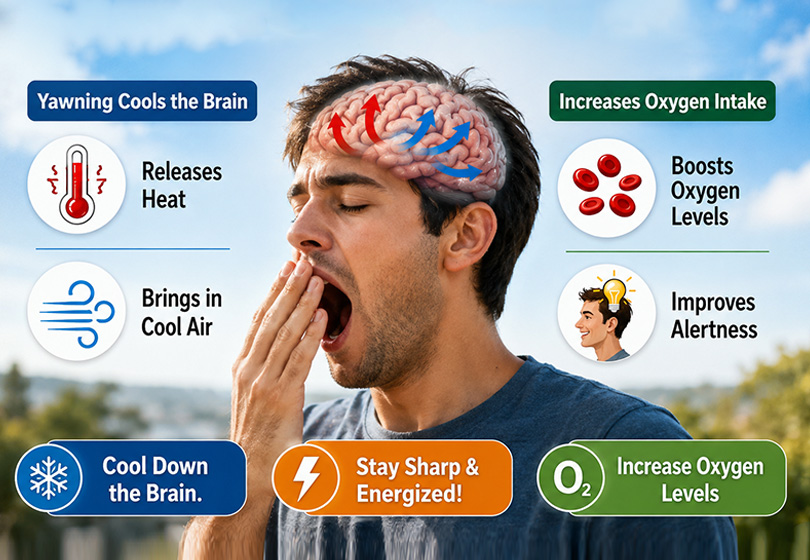
Ever wondered Why Do We Yawn? Yawning is something we all do, yet most of us rarely think about it. It can happen early in the morning, during a boring lecture, while studying late at night, or even after watching someone else yawn. Sometimes a simple yawn can spread through an entire room within seconds.
For years, scientists have tried to understand the real reason behind yawning. While there is still no answer, some experts believe yawning is linked to tiredness, brain activity, and emotions; that’s why we yawn.
What Is Yawning?
Yawning is a natural body action, and it comes naturally when we see someone yawn in the room; we can also do the same thing just by watching them. In this, the person opens their mouth wide, takes a deep breath, and slowly breathes out. Most of the time, people yawn in these situations:
When they feel sleepy.
When they feel bored.
After waking up.
Before sleeping
When a person feels mentally tired.
Why Do We Yawn?
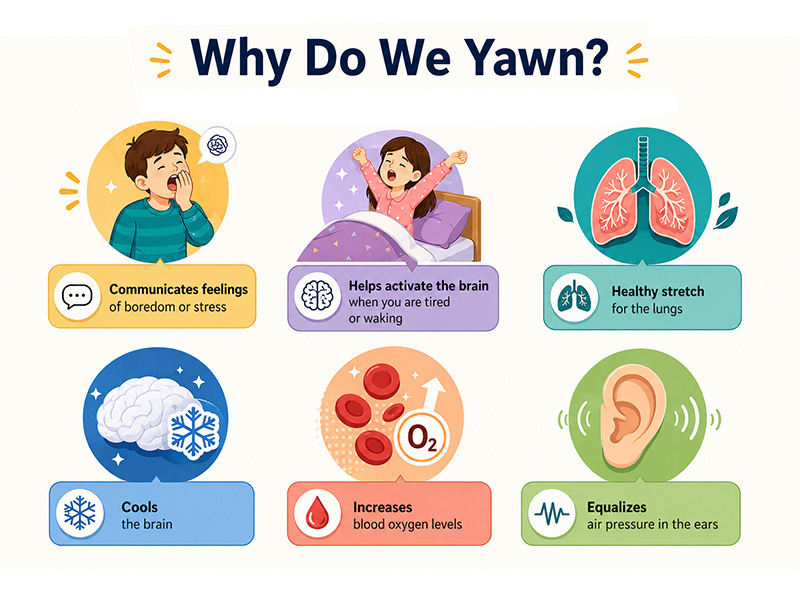
Many people ask, "Why do we yawn?" The reason behind yawning is tiredness; it happens when our brain starts feeling less active or sleepy. Yawning may help the brain to stay active and refreshed for only a few minutes.
Why Do We Yawn When Tired?
This is a very common question: why do we yawn when tired?
When the body feels sleepy, breathing patterns may slow down slightly, and the brain becomes less alert. It may help the body feel more awake by increasing airflow and stimulating brain activity. This is why people usually yawn:
Late at night.
Early in the morning.
During long and boring lectures.
After a lack of sleep.
In short, yawning acts like a small "wake-up" signal for our brain.
Why Is Yawning Contagious?
Have you ever noticed that seeing someone yawn makes you yawn too? But why? Because this is called "contagious yawning." Mostly, yawning can spread through the following:
Seeing someone yawn.
Reading about yawning.
Sometimes, even thinking about yawning.
The brain naturally copies actions seen in other people, especially family members or close friends. This is why yawning often spreads quickly in classrooms, offices, or groups of friends.
Does Yawning Mean Lack of Oxygen?
We have seen many people believe yawning happens because the body lacks oxygen, but scientists have different theories and perceptions about it. Although deep breathing happens during a yawn, research suggests that yawning is more closely linked to the following:
Brain activity.
Alertness.
Brain cooling.
Tiredness.
Why Do We Yawn When We Wake Up?
People often yawn shortly after waking up in the morning. This may happen because the brain is shifting from a relaxed sleep state to an active waking state; it increases alertness and prepares our body and our brain for daily activities. Morning yawns are completely normal and mostly experienced by everyone.

Why Am I Yawning So Much But Not Tired?
Most of the time, people yawn frequently even when they do not feel sleepy. This can happen due to:
Stress.
Anxiety.
Mental exhaustion.
Boredom.
Long working hours.
Lack of focus.
Occasionally, frequent yawning is usually harmless. However, extremely excessive yawning combined with dizziness or breathing problems may require medical advice.
Interesting Facts About Yawning
These are some interesting facts about yawning:
Do you know babies can yawn before birth?
Many animals yawn, too.
Reading about yawning is contagious in humans.
And not all yawns are caused by sleepiness.
Conclusion
Understanding “Why Do We Yawn” scientifically helps us to know more about how the human brain and body work together. Let's conclude that yawning is a completely natural part of human behaviour. Although scientists are still studying the exact reason behind it, yawning is believed to help the brain stay alert, regulate activity, and respond to tiredness.
Whether it happens during a lecture, after waking up, or after seeing someone else yawn, it is basically something that we can experience daily. Learn more science facts and the science behind daily life with SkillSnap Learning Blogs. Check out our online courses for CBSE Classes 6 to 10.