What Is a VPN and How Does It Work? (Beginner’s Guide)
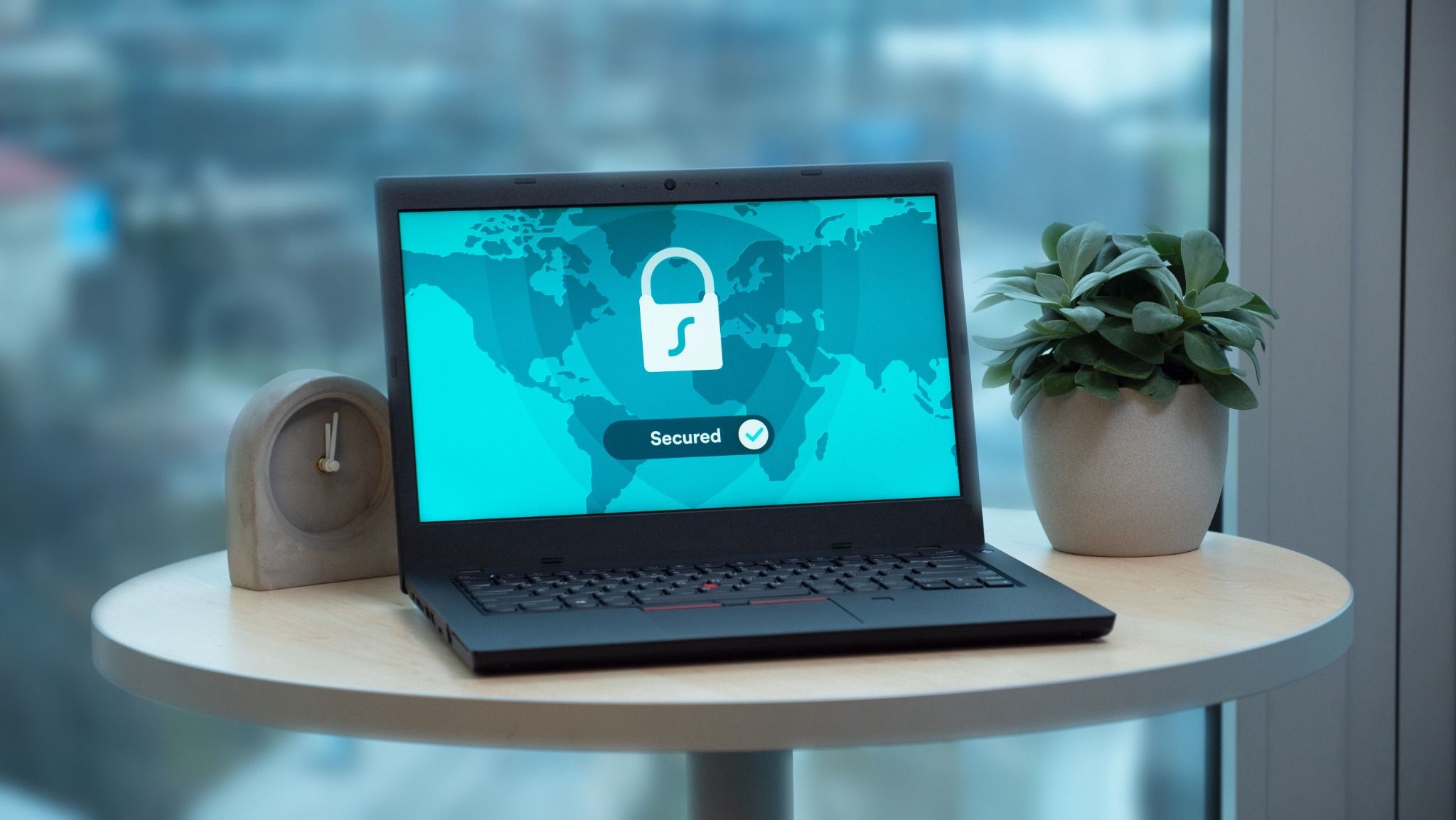
Before using one, it is helpful to learn what a VPN is and how it works. VPN means Virtual Private Network. It secures and maintains users' Internet privacy. Your Internet Service Provider (ISP) and some websites keep track of your Internet usage. Certain websites even keep records of your activities. VPNs are built specifically to mask your Internet location. People like to use VPNs to browse the Internet, watch videos, use apps, and access public Wi-Fi safely. VPNs are available in app form on phones, laptops, tablets, and more. Also, VPN services are simple to install and set up.
What Is a VPN?
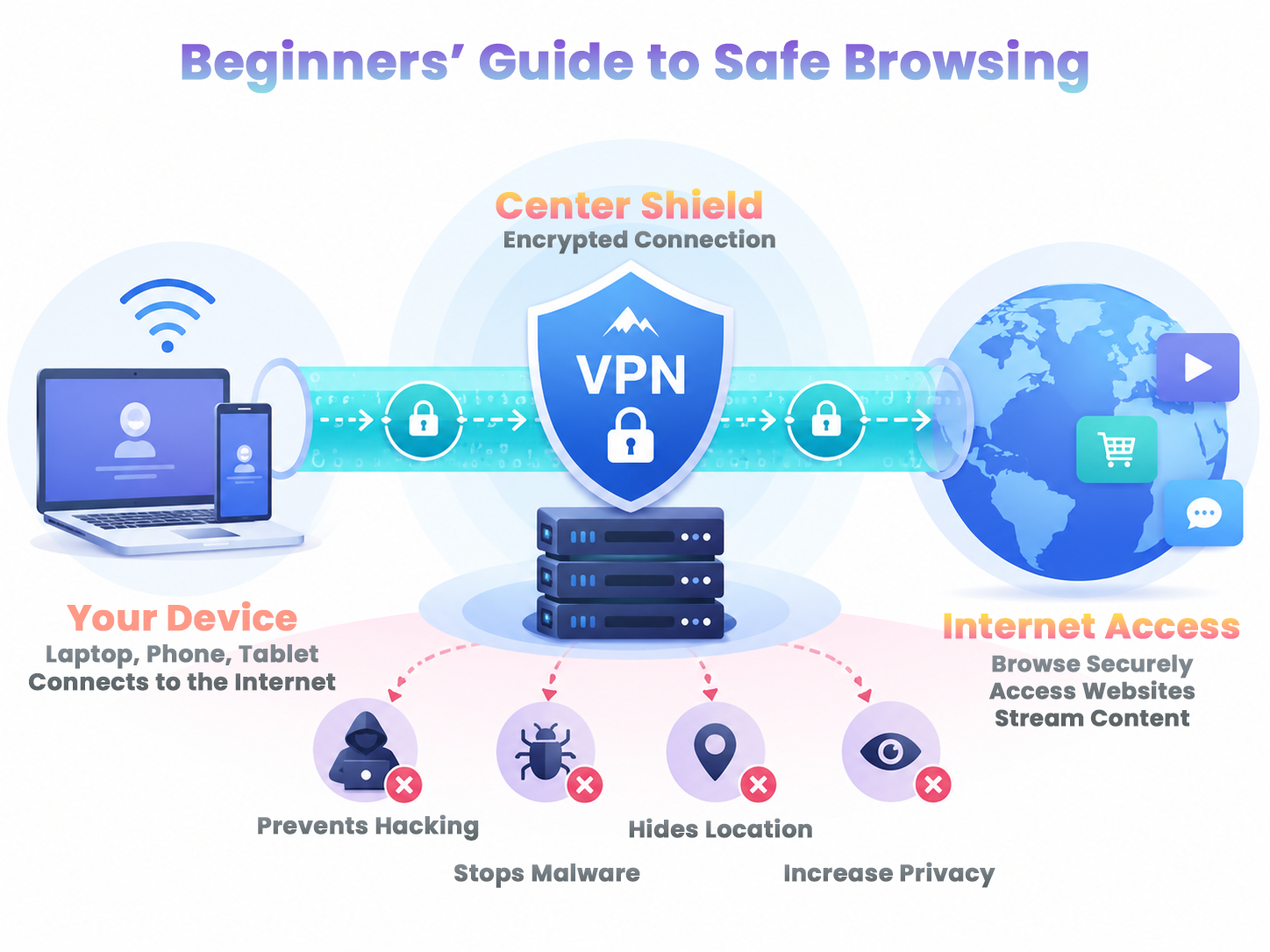
VPNs protect your data by preventing direct access to your internet connection and instead require the other end (in this case, the websites you are visiting) to pass information through a structure that VPNs build. Because websites don’t have direct access to the end of the internet, they can’t potentially find your location or track your activity. Another example of how a VPN creates a safe channel of communication is if you get on public WiFi, your data is exposed to everyone within the WiFi access point. VPNs build privacy tunnels with a simple 3-step process: select a location, turn it on, and your activity is secure.
What Is a VPN Used For?
Learning what a VPN is used for can help you understand how your online data is protected. Many beginners wonder, “Why use a VPN?” mainly because a VPN ensures their online privacy and security. There are many simple things a VPN can do. Some users connect to public networks, and some prefer using a VPN to browse the web more privately. Some users can access apps and websites that are restricted to their location. VPNs can also limit online ad tracking and give users a sense of online control. Users should keep in mind that VPNs do not make you invisible online. It is an option to consider when you want to be more secure and private while browsing the web.
Why Do I Need It?
Knowing what a VPN is and why you need it can help you make safer decisions while using public Wi-Fi networks. VPNs may not be a necessity for daily use, but they are helpful in many situations. Frequent users of public and free networks (VPN’s users) are a great example of people who benefit from a VPN. More people are switching to an online lifestyle to do shopping, banking, socialising, working, and just about everything else. Now more than ever, there is a great need to be more secure and private online. A VPN is a good option to be safer online, but for most users, the basic services that are offered are enough.
Are VPNs Safe to Use?
Many internet users ask, What is a VPN and why is it important for online privacy? Trusted VPN services are safe to use, but trustworthy VPNs are not easy to find. Some free-to-use VPN services monetise themselves by showing ads or collecting your data. Always search for reviews or ratings before you use a VPN service. Good VPN services will tell you what their data collection policies are and the security features they provide. It is important to use VPNs the right way and reserve them for safer, legal internet activities.
Conclusion
You have now gained the foundational knowledge to answer the question What is a VPN. A VPN is a tool designed to protect people’s privacy and security online. A VPN can mask where you are on the internet, can help conceal your online activity, and can increase your internet safety, especially when using public Wi-Fi. Most people do not need to have advanced knowledge of technology to use a VPN. The majority of VPN applications are designed to be simple for the everyday user to turn on and off.
If you are interested in simple technologies and you are a person who appreciates stepwise progressions to learn and understand new ideas quickly and easily, then check out the learning resources SkillSnap Learning has to offer.