How Does Soap Work? Chemistry Behind Cleaning & Removing Germs
Ever wondered How Does Soap Work?
The soap is something we use every single day, but most people never stop to think about how it actually works. Whatever the situation might be, be it washing hands after meals, taking a shower, or cleaning utensils with grease on them, it is very important to us, and at the same time, it assists in cleansing ourselves.
Ever felt that when hands are greasy, water alone fails to make them feel clean? However, as soon as one uses soap, all the filthiness vanishes as if by magic. Why does that happen?
The reason for that is very basic, and in short, soap cleans off all sorts of dirt, germs, and grease from objects that can then be washed away easily and quickly.
What Is Soap?
Basically, soap is a cleaning product which is made by using oils or fats mixed with alkaline substances and is manufactured to remove dirt, oil, sweat, etc. According to soap, it has two molecules:
One end is attracted to water.
The other end is attracted to oil and grease.
How Does Soap Work Scientifically?
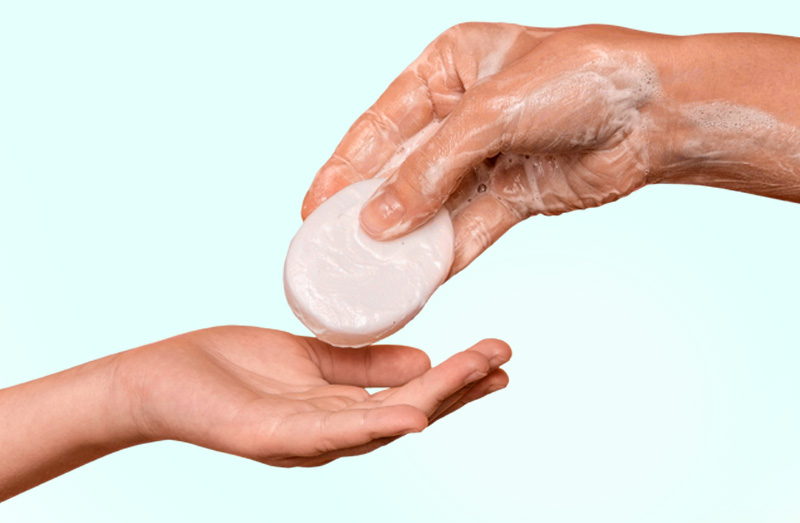
The soap molecules have a Polar Salt at one end, which helps disrupt the chemical bonds that allow grime, viruses, and bacteria to stick to surfaces. For instance, imagine the consumption of pizza or chips by using one's hands. After the consumption, one's fingers often feel greasy. Washing them with just water leaves behind the grease, while washing with soap removes it promptly.
How Does Soap Clean? Chemistry Behind It
In chemistry, soap cleaning happens through a process called emulsification. Normally, oil and water do not mix, and soap acts like a bridge between them because it breaks large grease particles into small ones, and then they mix with water easily.
How Does Soap Work for Kids?
Soap acts like tiny cleansers that grab dirt and germs from your hands and carry them away with water, or we can also say it works like a tiny magnet: one side grabs oil and dirt, and the other side holds onto the water.
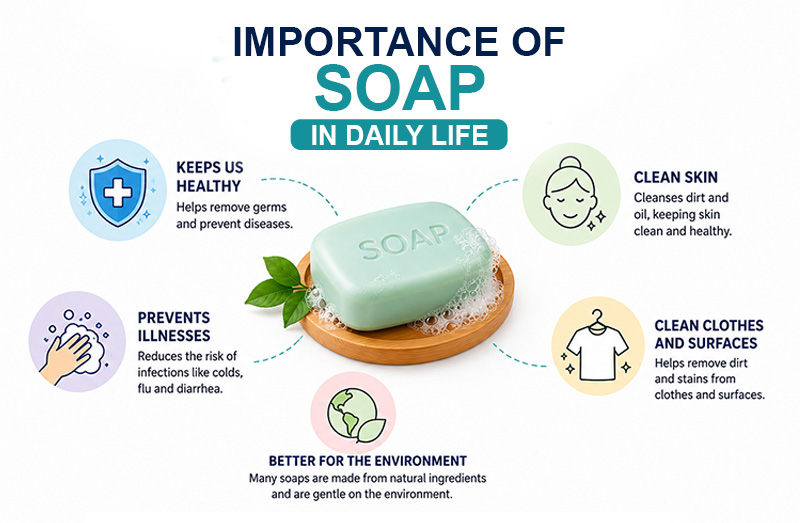
Importance of Soap in Daily Life
We can see soap working in many common situations around us because soap helps remove stains, sweat, and dirt from our fabrics and our bodies.
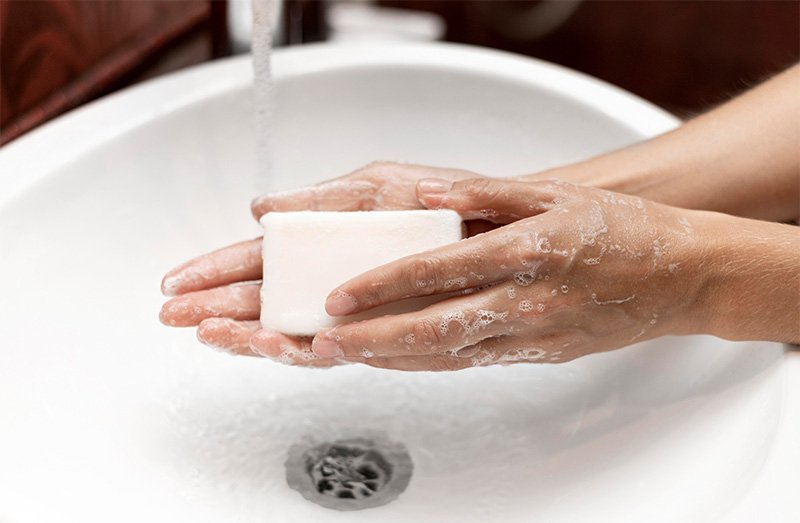
Washing hands.
Taking a bath.
Cleaning utensils.
Washing clothes.
Conclusion
Hope you got the answer to How Does Soap Work? Knowing the chemistry behind the functioning of soap helps us understand why soap is essential for proper cleansing and sanitation. Although soap may appear as any other ordinary substance, it functions through a chemical reaction. It assists us in cleaning dirt, grease, and microbes using water, ranging from hand washing after meals to dishwashing in the kitchen.
We find a variety of soaps in the market. We have a range of soaps that can be found in the market, including dry soaps, paper soaps, liquid soaps, and many more. If you want to learn more science facts and the science behind daily life, then visit SkillSnap Learning and check out our other blogs.