What is the International Space Station? Facts, Missions, History
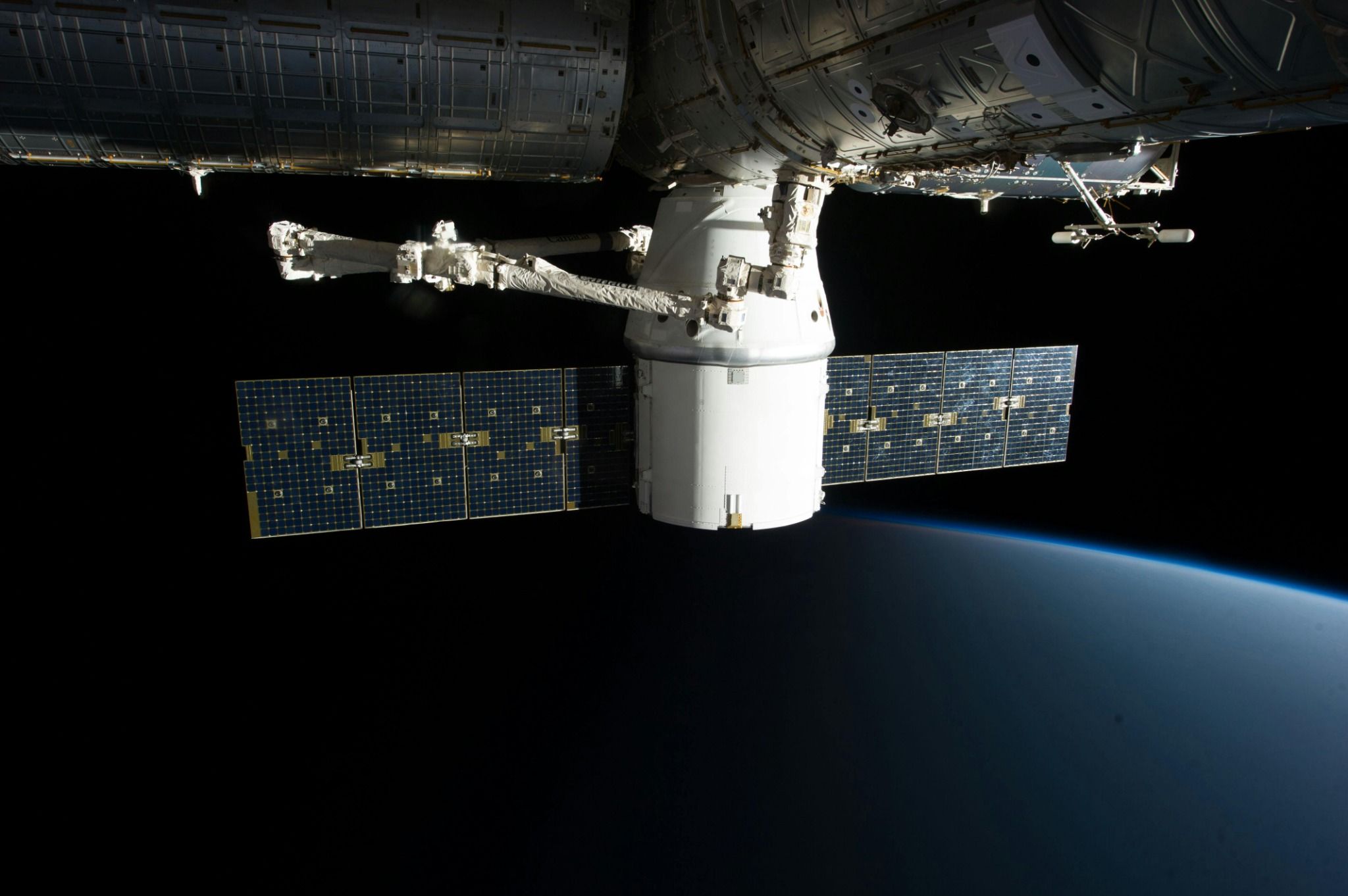
Most of the students and space enthusiasts wonder, “What is the International Space Station?” It is a facility to support space exploration, scientific research and astronaut training. It works as a hub for scientists, engineers, and astronauts to work together to introduce new technologies and space missions.
The space centre plays a very important role in developing our knowledge about space by conducting research, testing equipment and supporting scientific experiments. It also helps astronauts train to face the challenges in real life and work in space. With the help of international partnerships, the International Space Centre (ISS) encourages engagements between different countries, which increases knowledge, resources and expertise. Its efforts increase the contribution to discoveries, which helps to improve life on Earth, help humanity and explore more in space.
What is the International Space Station?
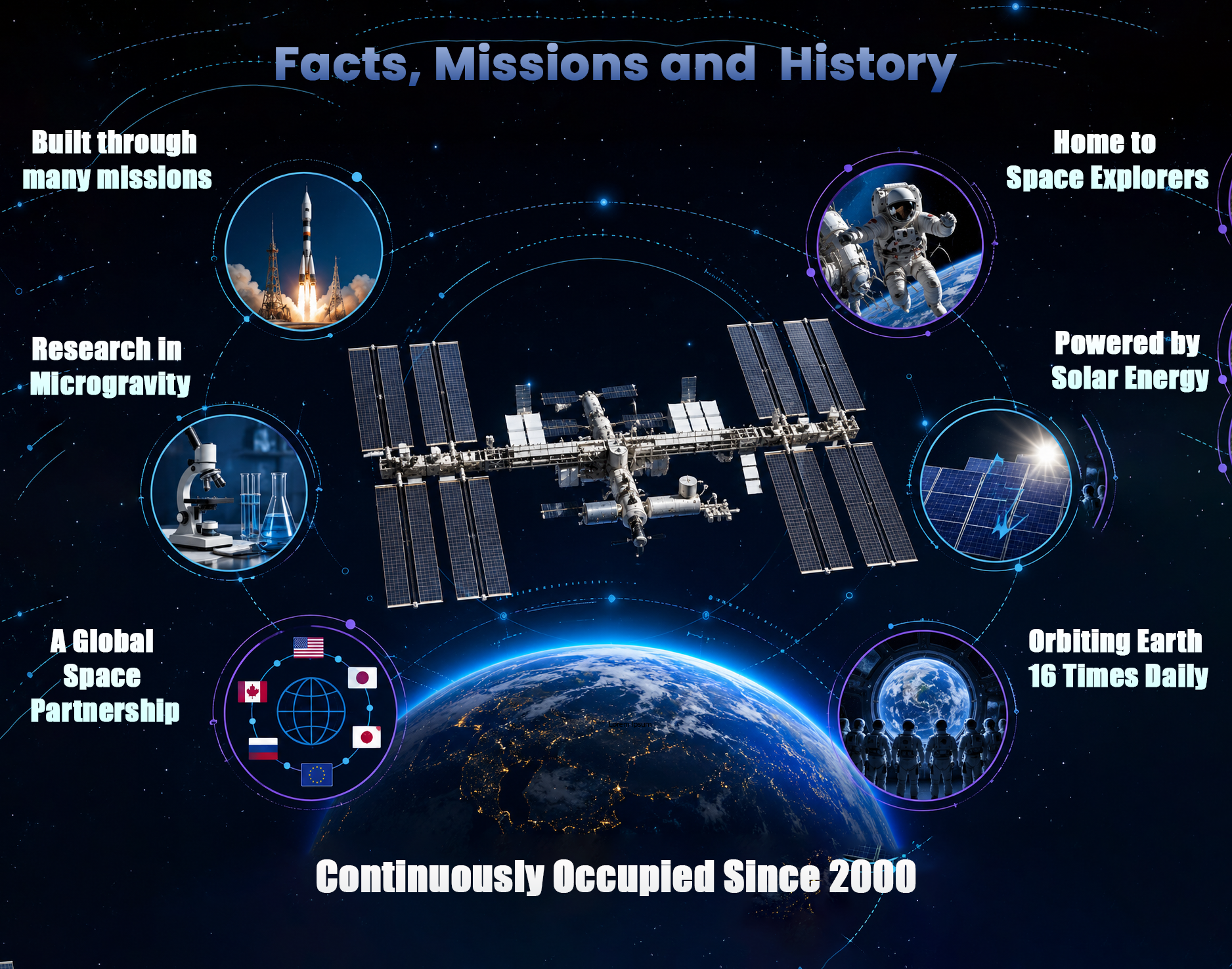
Wondering “What is the International Space Centre?” It is the largest spacecraft that orbits Earth and serves as a home and a lab for the astronauts. The spacecraft is built in collaboration with the different countries, which include the USA, Russia, Japan, Canada and European Nations, making it the largest space project ever in the world.
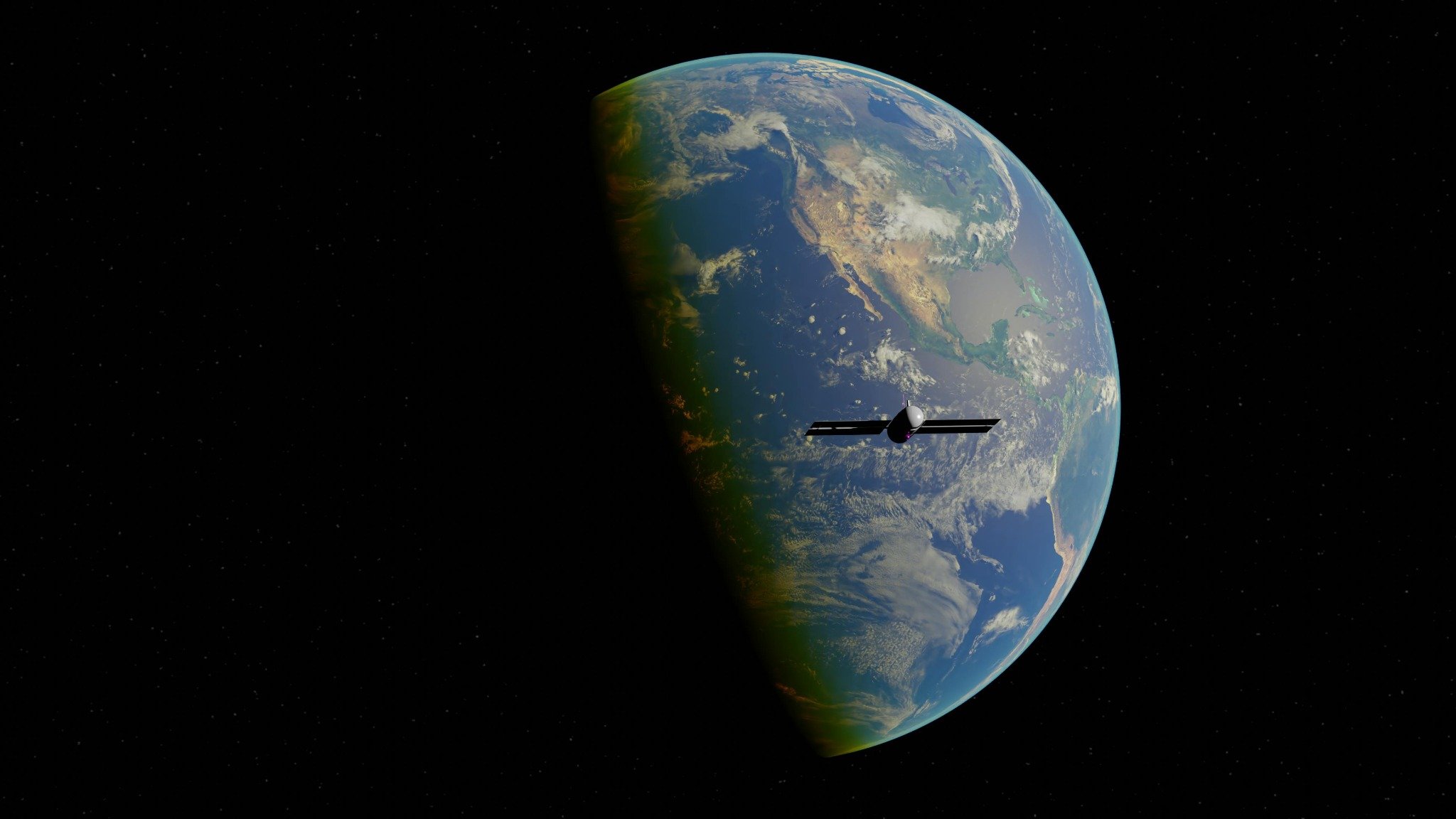
The ISS travels around Earth at an altitude of about 400 km and completes one orbit in approximately 90 minutes. Scientists and astronauts on board conduct experiments in microgravity environments, which helps researchers make medicines, technology, biology and space science.
First Launch of the International Space Station
After knowing about “What is the International Space Station?” We will be discussing when it was first launched. The ISS was launched on November 20, 1998, when the Russian-built module Zarya was sent into orbit. It started with the beginning of the International Space Centre, which later became the largest human-made space structure in space. The launch of the International Space Centre became one of the biggest historical achievements that paved the way for international cooperation in space exploration and scientific research.
Size of the International Space Station
The ISS is one of the largest structures ever built in space. For those asking about “What is the International Space Station?” It is an inhabited space laboratory that orbits Earth and supports scientific research and space exploration. The ISS measures approximately 109 meters (367 feet) in length, which is almost the size of a football field. It has living and working areas which are larger than a six-bedroom house and can accommodate several astronauts at a time.
Essential Parts of the International Space Station
Want to know more about “What is the International Space Station and its parts?” It is important to understand its essential parts. It is made up of several connected modules that help astronauts live, work and conduct scientific research in space.
Some of the most essential parts of the ISS are the living quarters, where astronauts live, eat, sleep and carry out daily activities, such as laboratories where scientists perform experiments and a solar array that generates electricity from sunlight to power the station. It also carries docking ports, helps spacecraft attach and deliver supplies, equipment, and crew members, and supports the station’s solar panels and other important systems.
Uses of the International Space Station
The International Space Station serves as a unique space laboratory where astronauts conduct scientific research and develop new technologies.
One of the other works of the International Space Station is to conduct experiments in areas such as biology, medicine, physics and earth science. It helps scientists learn how living organisms and materials behave in space, leading to discoveries that can be beneficial for people on Earth. The ISS also helps to test equipment and technologies for future missions on the moon, Mars, and beyond.
It also provides the results about the effects of living in space for a long period of time on the human body.
Important Facts about the International Space Station
Learning about the International Space Station will become more interesting when you get to learn some interesting facts about it. The ISS is the largest human-made structure in space and has been fully inhabited by astronauts since 2000. It orbits Earth at an altitude of 400 km and travels at a speed of 28,000 km per hour. More than 270 astronauts from different countries have visited the space centre since it became operational.
The astronauts in the space centre exercise for 2 hours daily so that they can manage life in space microgravity. The solar panels of the space station span a distance greater than the wingspan of a large passenger aeroplane. The ISS can support a crew of 7 astronauts at once. The station provides a unique environment where scientists can study how the human body can adapt to a long period of stay in space. The station is visible from many parts of the world and can be seen with the naked eye.
Conclusion
The International Space Station helps us to know one of the greatest achievements of humans in space exploration. The ISS serves as a home for scientists and astronauts where they conduct research and experiments in different areas like medicine, biology and physics and also introduce new technologies for further space missions. With the help of international collaboration, ISS has expanded the knowledge of space and contributed to advancements that will benefit human life.
To know more about the related topic, visit SkillSnap Learning. Here, you will find more content related to topics like this and many other topics which can help you further.